
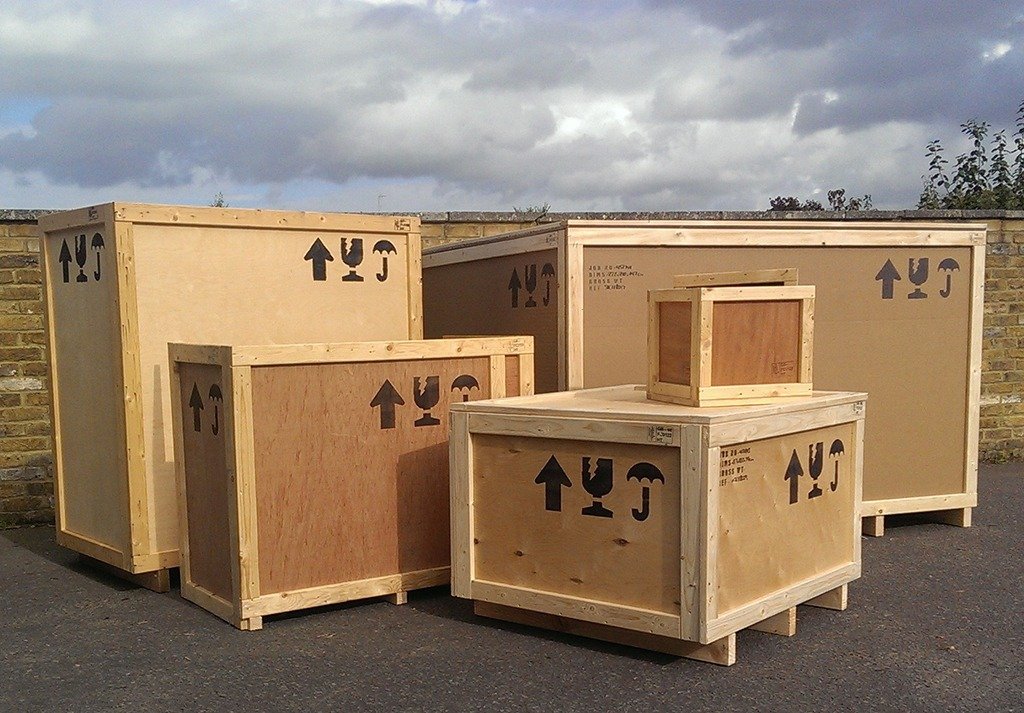
Packaging and Crating
Choose us for your packaging and crating needs and experience peace of mind in every shipment. Your satisfaction and the safety of your items are our top priorities.
Contact Us

Events & Trade Fairs
Your Event, Our Expertise - Logistics Delivered Whether it's a trade fair, exhibition, sports or special event, our fresh and innovative approach ensures that every detail is handled with precision and care.
Maroc Global Logistics provides tailored logistics solutions for sports events, ensuring seamless transportation and setup for a winning experience. Our commitment to excellence and our comprehensive service offerings make us the preferred partner for event organisers worldwide. We tailor our logistics services to meet the specific requirements of your event, ensuring a successful and memorable experience for all participants.
Contact Us

Cargo Insurance
Insurance will be provided upon request, and an insurance certificate will be issued with your shipment. In the rare event of a claim, let us know, and we will work with you to provide all the necessary information to the adjuster. We also ensure proper crating and packaging for insured cargo to reduce risk during transit.
Contact Us

Freight Inspection
Freight inspection is essential for exporters, importers, and cargo agents. At Maroc Global Logistics, we meticulously check the quantity, quality, packaging, serial/reference numbers, distinctive markings, and overall condition to ensure they meet the required standards, providing a detailed inspection report. Our comprehensive freight inspection services ensure your cargo’s safety and reliability.
Contact Us

Personal Effects
Ship your personal effects and household goods effortlessly with Maroc Global Logistics Maroc Global Logistics offers tailored air cargo solutions for shipping personal effects, such as clothing, household goods, and personal belongings for non-commercial use. With our customer-focused approach, we provide flexible services, including both standard and expedited shipping options, ensuring that your shipment aligns with your specific needs and timeline. Our one-price shipping options, based on different packing configurations, make it easy to plan your shipment. Trust Maroc Global Logistics for secure, efficient, and seamless transportation of your personal effects, delivering peace of mind throughout the entire shipping process.
Contact Us