

Air Transport
At Maroc Global Logistics, we provide fast, reliable, and secure air freight solutions designed to meet urgent shipping needs across the globe. Whether it’s high-value goods, sensitive cargo, or time-critical deliveries, our air transport services ensure maximum speed and efficiency. Thanks to strong partnerships with leading airlines and global hubs, we guarantee flexible routing, competitive pricing, and end-to-end visibility. Our dedicated team handles all logistics, documentation, and customs clearance, so your cargo reaches its destination safely and on time—every time.
Contact Us
Road Transport
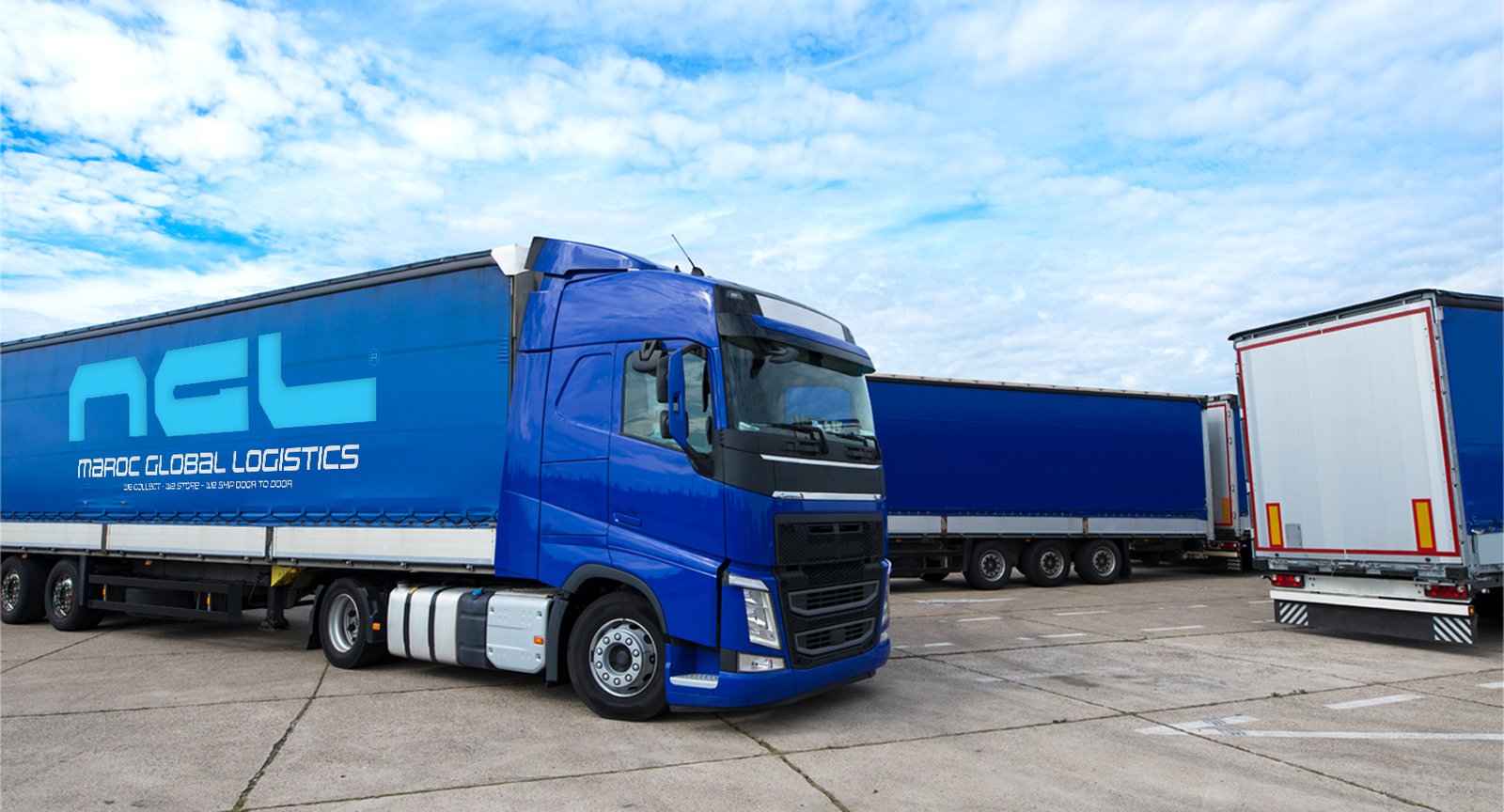
Our road freight services cover both domestic and cross-border deliveries, ensuring flexibility and full control of your supply chain. With a modern fleet of trucks and long-term partnerships with trusted carriers, we offer scheduled, daily door-to-door transport as well as real-time tracking 24/7. From single pallets to full truckloads, oversized cargo, or temperature-controlled goods, Maroc Global Logistics ensures reliable road transport tailored to your needs. We combine cost-efficiency with punctuality, giving your business a logistics partner you can count on.
Contact Us
Sea Transport
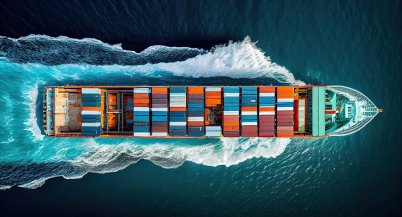
Sea freight is the backbone of global trade, and Maroc Global Logistics provides a full range of ocean shipping solutions, including FCL (full container load), LCL (less than container load), and specialized reefer containers. We work closely with major shipping lines and port operators to ensure reliable schedules and competitive rates for your long-distance and high-volume shipments. Whether you are importing, exporting, or managing complex supply chains, our ocean freight experts ensure smooth operations with complete customs and documentation support. Economical, versatile, and scalable—our sea transport services adapt to your business needs.
Contact Us
Intermodal Transport
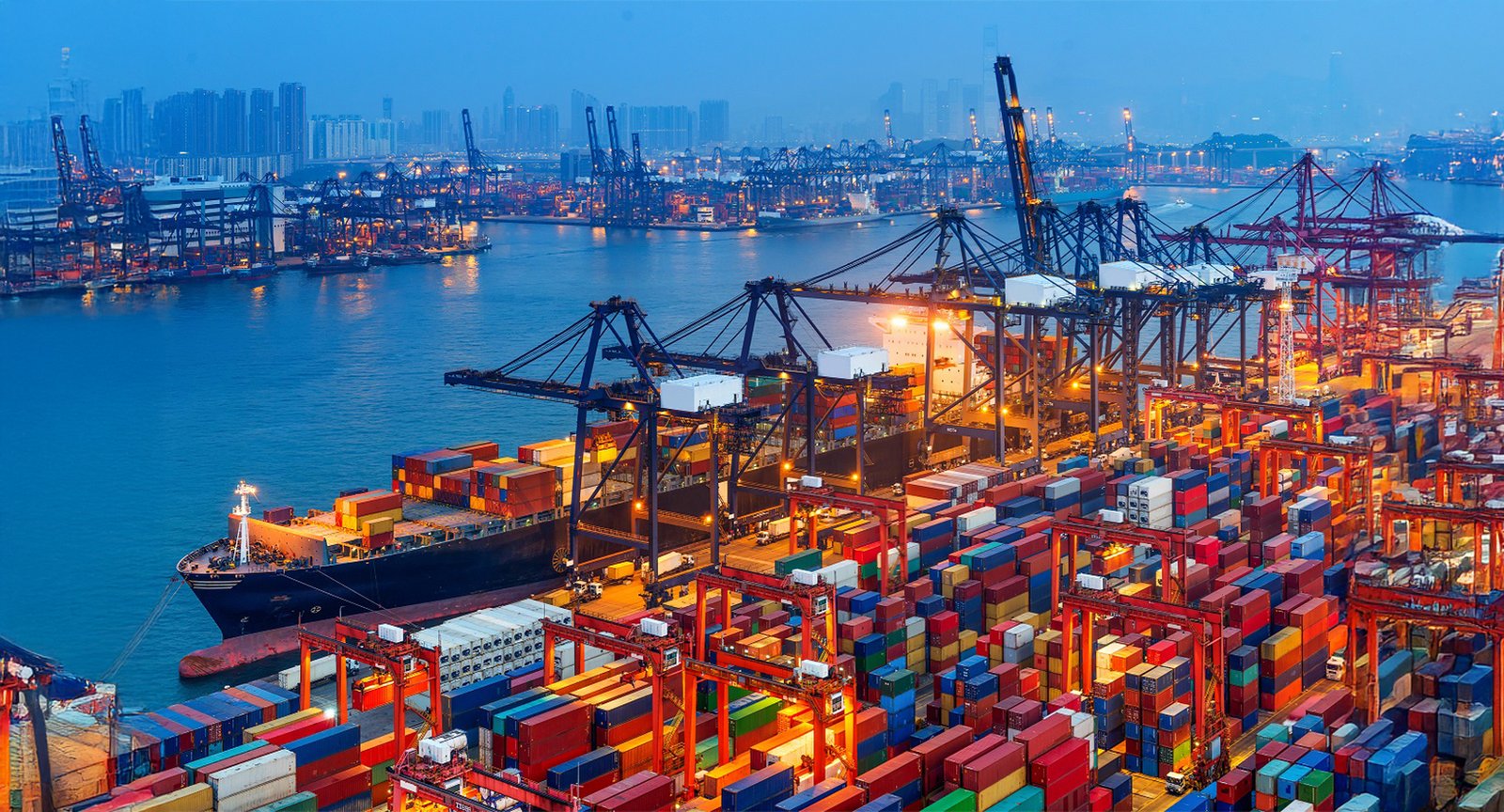
Our intermodal and multimodal solutions combine the best of air, sea, road, and rail to optimize cost, time, and sustainability for your supply chain. By integrating multiple transport modes, Maroc Global Logistics ensures flexibility and resilience, helping businesses overcome challenges such as capacity shortages, border restrictions, or seasonal demand fluctuations. Each shipment is carefully planned to balance speed with cost-effectiveness, while ensuring full compliance with international trade and customs regulations. Intermodal transport is the smart choice for businesses looking to scale globally with efficiency.
Contact Us

Groupage Transport
When your shipment is small but your expectations are high, Maroc Global Logistics offers groupage (LCL and part-load) services for cost-efficient and reliable transport. Instead of paying for a full truck or container, your cargo is consolidated with other shipments, reducing costs while still ensuring safety and punctuality. This solution is perfect for SMEs and e-commerce businesses managing frequent but smaller shipments. With flexible schedules, transparent pricing, and professional handling, our groupage transport helps you expand your reach without inflating your logistics budget.
Contact Us

Consulting & Customs Services
Beyond transportation, Maroc Global Logistics offers professional consulting to help you optimize logistics costs, streamline operations, and minimize risks. Our customs clearance experts handle import/export documentation, permits, and compliance with Moroccan and international trade regulations, ensuring a smooth flow of goods across borders. As your logistics partner, we simplify complex procedures, reduce delays, and prevent unnecessary costs. Whether you’re entering new markets or managing large-scale operations, our consulting and customs services give you the expertise and support needed to stay competitive.
Contact Us

Cargo Insurance
We know how valuable your shipments are, which is why Maroc Global Logistics provides tailored cargo insurance solutions to protect your goods against risks during transport. From “All Risks” coverage to specialized policies for high-value or fragile cargo, our insurance options are designed to safeguard your business interests. Partnering with trusted international insurers, we offer competitive terms and fast claim settlements, ensuring peace of mind and financial protection. With our insurance services, your cargo is safe no matter where it travels.
Contact Us

Project Logistics
Complex logistics projects require more than just transport—they need planning, expertise, and execution at the highest level. Maroc Global Logistics specializes in turnkey project logistics for oversized, heavy, and high-value cargo across industries such as construction, energy, and manufacturing. From site surveys and route planning to special permits, lifting equipment, and multimodal transport coordination, we manage every detail to deliver your project safely and on time. With our proven experience and global network, even the most challenging logistics operations become seamless and efficient.
Contact Us

Importer/Exporter of Record (DDP)
For companies looking to expand into new markets without establishing a legal entity, Maroc Global Logistics offers Importer/Exporter of Record (IOR/EOR) services. We take responsibility for compliance, customs documentation, duties, and taxes, allowing your business to trade smoothly while staying focused on growth. Our Delivered Duty Paid (DDP) solutions further simplify global transactions by managing all costs and risks until your goods reach their final destination. This service is especially valuable for businesses entering Morocco or exporting from Morocco to international markets.
Contact Us
Warehousing & Distribution
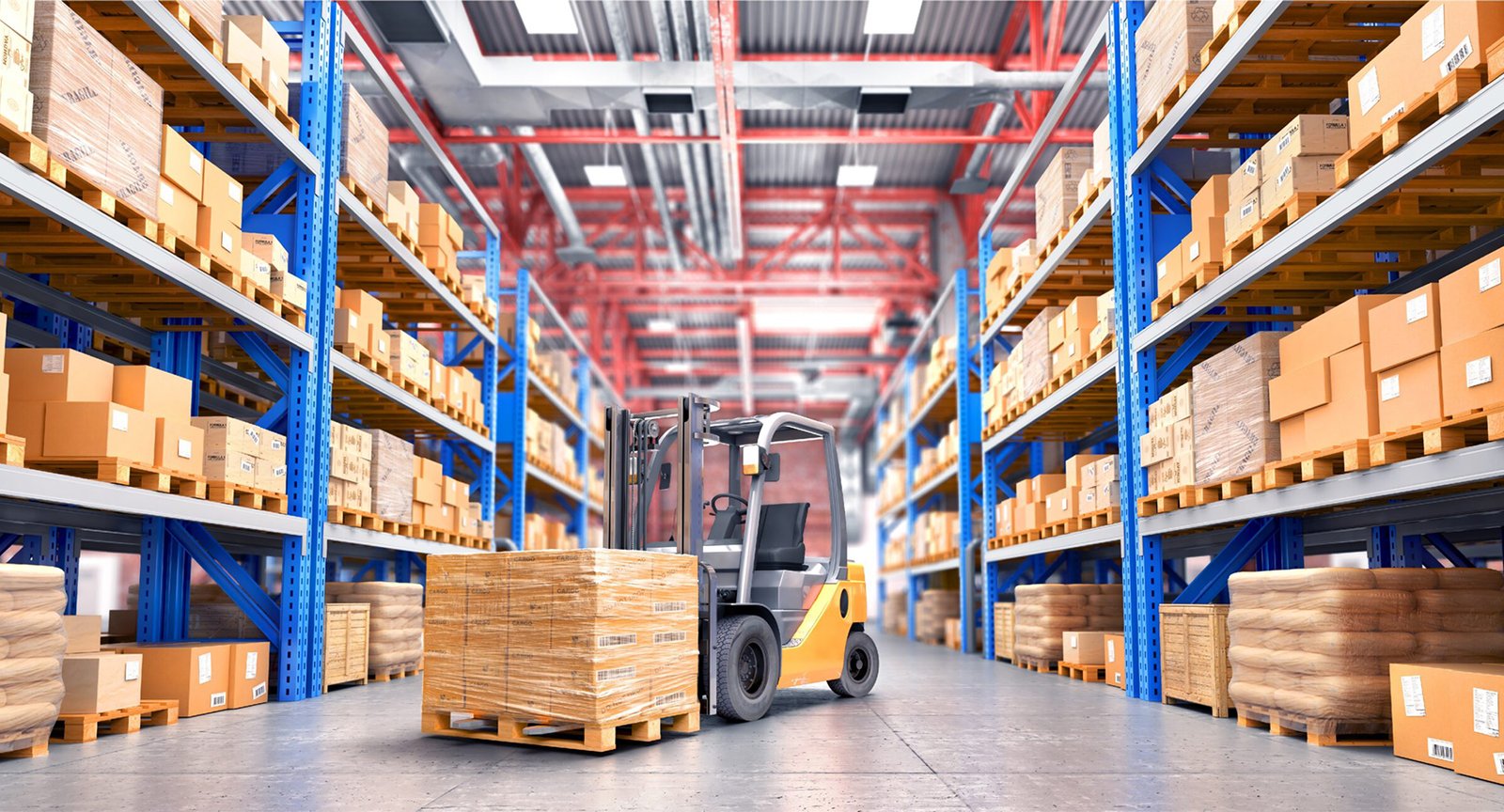
Our strategically located warehouses across Morocco offer secure, climate-controlled storage solutions with advanced inventory management systems. Whether you need short-term storage, long-term warehousing, or value-added services such as packaging, labeling, and order fulfillment, Maroc Global Logistics ensures your goods are handled with care. We also provide efficient distribution services, connecting your inventory directly to retail, wholesale, or end customers. With our warehousing and distribution network, your supply chain becomes more agile, reliable, and cost-effective.
Contact Us